Shafaq News– Damascus
Snowfall hit Kurdish-populated areas in northern Syria along the border with Turkiye, worsening humanitarian conditions for thousands of displaced people fleeing Syrian army operations in areas controlled by the Syrian Democratic Forces (SDF), Shafaq News correspondent reported on Friday.
Displacement centers are facing acute shortages of bread and
drinking water, with electricity largely unavailable. Heating and cooking
supplies, blankets, mattresses, and medical services are also scarce, while
poor sanitation has further strained conditions.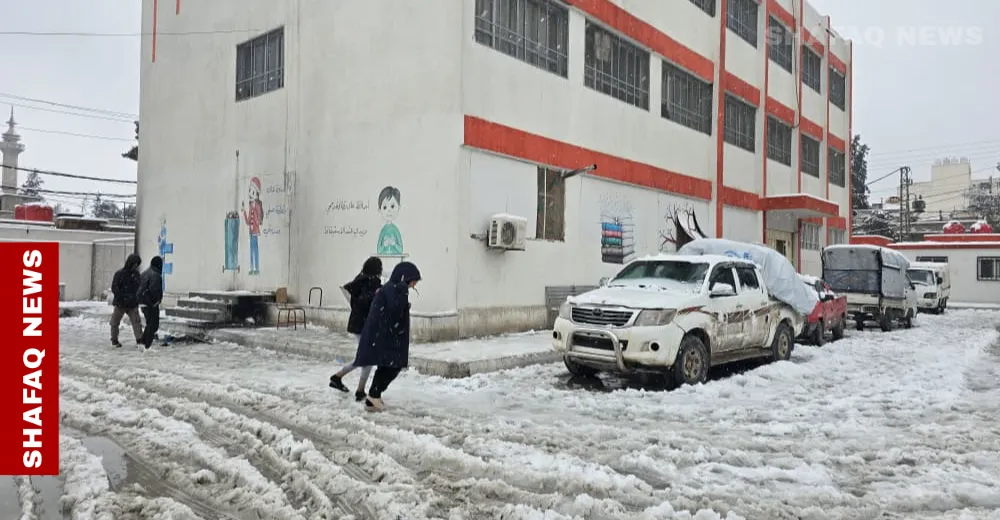
Shirin Hasani, an employee at a local organization, told Shafaq News that more than 50,000 displaced people have arrived in Al-Hasakah province, where they have been distributed among shelters, private homes, schools, and mosques. She warned that urgent intervention by international organizations is needed, noting that “apart from the Barzani Charity Foundation, no external entity has yet assisted thousands of displaced families in the province.”
Simar Barkal, a displaced woman from Afrin sheltering with
her five children in a mosque in Al-Qamishli, appealed to the international
community to halt the fighting in Kurdish areas, saying the cold and lack of
heating have left her family ill as snowfall fueled the spread of disease among
displaced people, particularly children, the elderly, and women.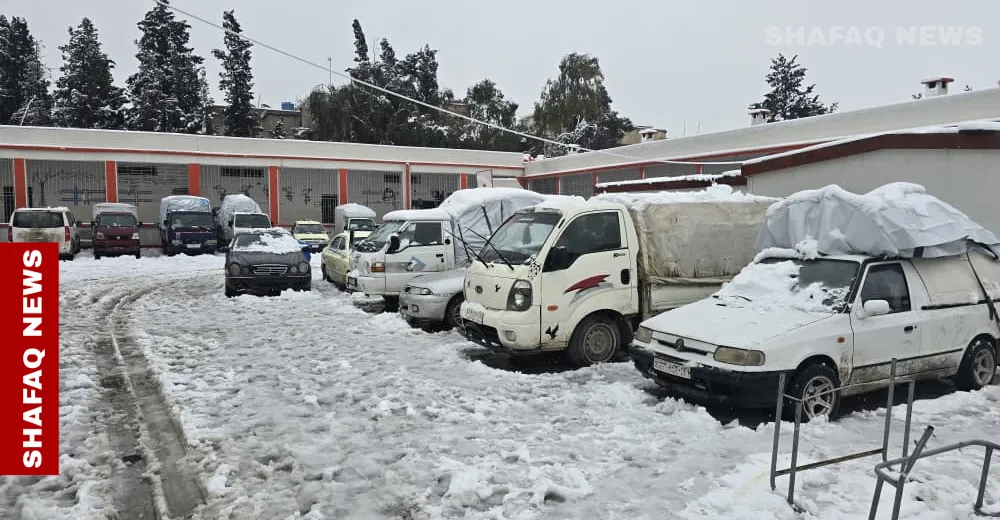
Authorities and civil institutions across the Kurdistan Region of Iraq have expanded humanitarian and public support efforts for Kurds in Syria, particularly in Erbil and Duhok. Additionally, public mobilization has intensified, as hundreds of residents, activists, and Syrian Kurds staged demonstrations in Al-Sulaymaniyah and Erbil, including protests outside the United Nations mission and the US consulate, urging international action to halt military operations in northern Syria and allow humanitarian access.
The situation in Syria witnessed shifts, while military tensions alternatively intensified and eased in areas hosting key ISIS camps and detention facilities. SDF Commander Mazloum Abdi said on January 22 that his forces would uphold the ceasefire and pursue dialogue with the Syrian government, following the agreement signed with the Syrian government.