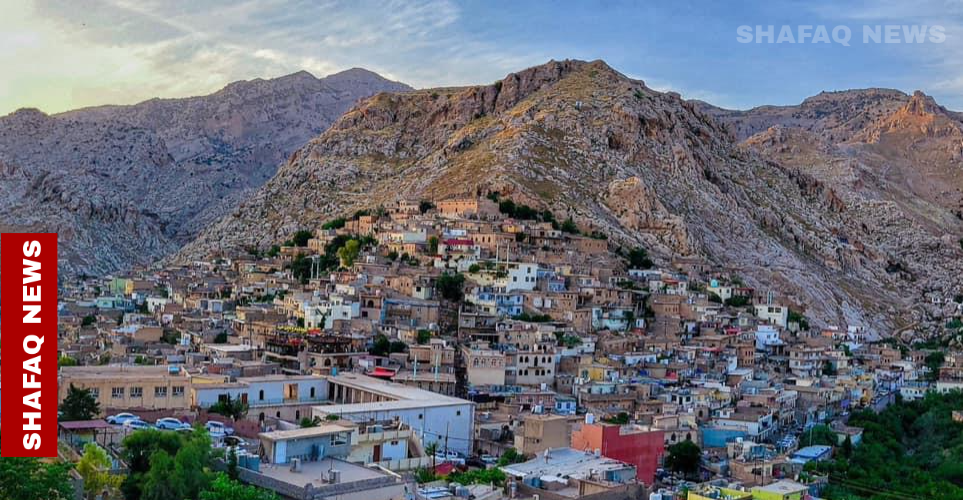
Shafaq News/ Tucked between steep mountain slopes and cascading valleys, the town of Akre stands as one of the most picturesque destinations in the Kurdistan Region of Iraq. Known for its stone-built homes stacked along the hillsides and narrow alleyways that wind through history, Akre offers a rare blend of natural serenity and cultural depth.
A Mountain Town Rich in Charm
Located approximately 100 kilometers southeast of Duhok and about 140 kilometers from Erbil, Akre’s foundations go back more than 2,000 years. The town has been shaped by various civilizations, including the Medes, Assyrians, and Ottomans. This layered history is still visible today in its architecture, tombs, and religious sites.
The road to Akre is paved and accessible year-round, with private taxis and shared cars available from major cities.

Akre's Draw for Tourists
Dominating the skyline is Qalla Akre, or Akre Castle, an ancient fortress perched on a rocky outcrop overlooking the town. Though partially in ruins, it remains a popular viewpoint and photo stop, offering sweeping vistas of the surrounding hills and valleys.
Another symbol of the town’s rich past is the old synagogue, a remnant of the once-thriving Jewish community that lived in Akre for centuries. Though no longer active, the site stands as a quiet witness to the town’s religious diversity and peaceful coexistence.
Beyond its historical depth, Akre is renowned for its natural charm. The town is surrounded by hiking trails, caves, and cold-water springs, where locals and tourists gather during the summer months for picnics and respite from the heat.
Just a short drive from Akre, Sipa Bjeel Waterfall offers a serene escape nestled among lush greenery and fruit-bearing trees. Fed by multiple mountain springs, the waterfall cascades into a tranquil pool, making it a favored spot for picnics and relaxation.
But it is during Nowruz, the Kurdish New Year, that Akre truly shines. Every March, thousands of Kurds ascend the mountains in a fiery procession, lighting torches to mark the arrival of spring. Streets fill with music, dancing, and the bright colors of traditional dress, drawing not only locals but also international visitors and media.
Welcoming Tourists with Local Flavor
Akre’s hospitality is as well-known as its scenery. The town has seen a steady rise in domestic tourism, with families from Mosul, Kirkuk, and Baghdad heading north to experience its cool weather, clean air, and relaxed pace of life.
Guesthouses and small hotels cater to visitors seeking both comfort and authenticity. Many accommodations offer views over the valley or towards the castle, while local eateries serve Kurdish dishes.
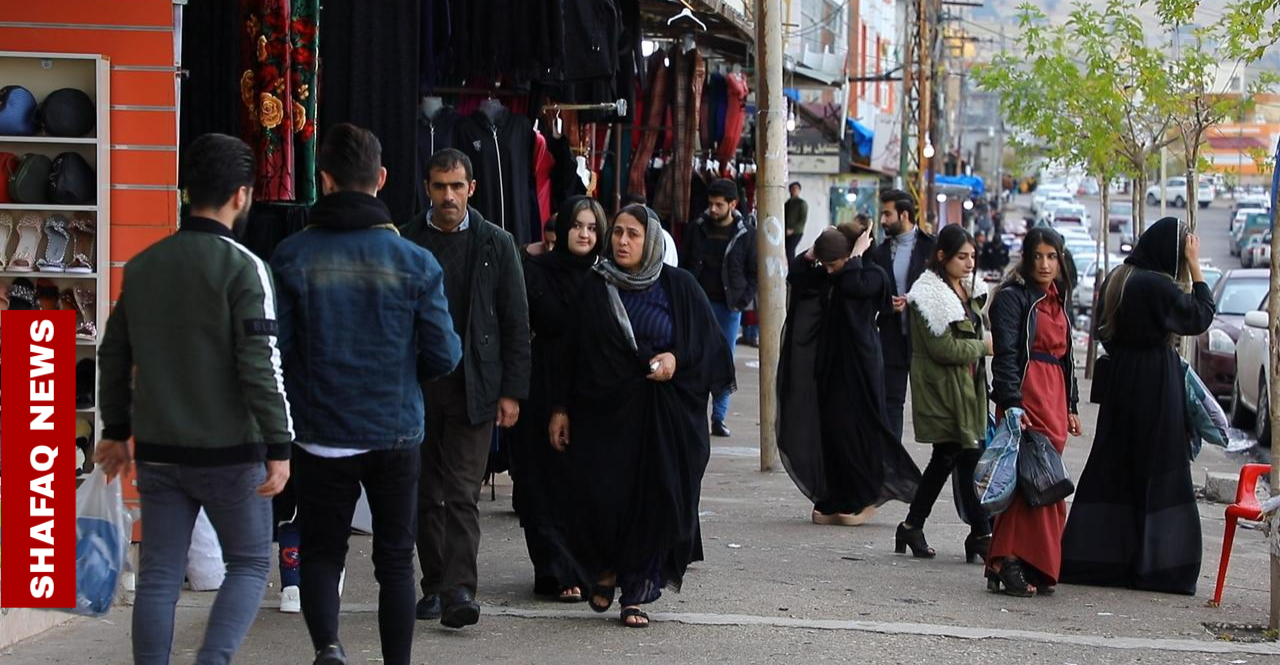
The local bazaar, alive with the scent of spices and the sound of bargaining, is the place to find handwoven rugs, dried mountain herbs, and locally made honey. Visitors often leave with jars of Murabba (Middle Eastern jam), a taste of Akre’s agricultural richness.
Though small in size, Akre leaves a lasting impression — a town where mountains cradle stories, traditions rise with the morning mist, and every stone seems to whisper a piece of Kurdistan’s soul.