Shafaq News- Erbil
Health workers in Iraq’s Kurdistan Region called on Sunday for urgent governmental action to appoint thousands of unemployed medical graduates, warning that staffing shortages are placing growing pressure on health services across the Region.
Marking International Nurses Day, Jabar Mohammed, head of the Kurdistan Health Workers Syndicate, stated that more than 40,000 health workers are currently in service, while about 50,000 medical and health graduates remain without jobs.
The Syndicate also launched a signature campaign under the slogan “The
White Covenant for Defending the Rights of Nurses and Health Workers and
Developing Health Services in the Kurdistan Region.” Among the key demands are
budget allocations to appoint graduates in medical and health fields whose
recruitment has been stalled since 2013, an increase in hazard pay in the
Kurdistan Region to match Iraq levels by 50% to 80%, and the reinstatement of
salary increments and promotions suspended since 2016.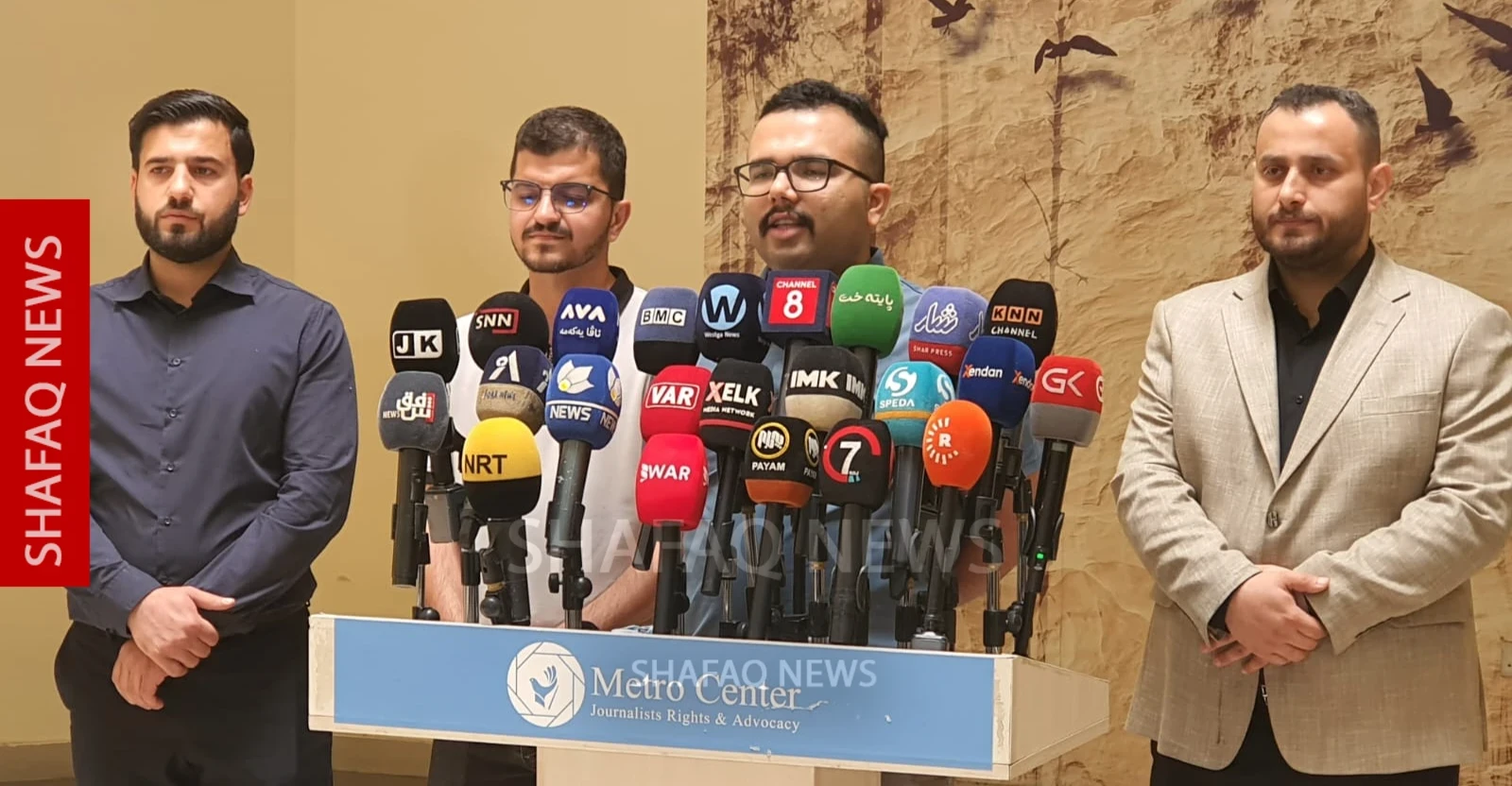
Separately, doctors who graduated from universities outside the Kurdistan Region renewed calls for Erbil to create pathways for their employment in the private health sector.
Speaking on behalf of a group of doctors, Osama Dawoodin pointed out that graduates from foreign universities have not been appointed over the past three years despite ‘’the growing need for specialized medical staff.’’
“Sixty doctors have submitted a proposal to the Health Ministry with recommendations for their integration into private-sector healthcare facilities,” he added, warning that continued inaction could push doctors toward street protests and sit-ins to demand job opportunities.
According to the Ministry of Health, Iraq’s health sector includes more than 75,000 doctors and medical workers. The country’s healthcare system also comprises around 450 hospitals, including approximately 250 public facilities and about 164 private hospitals operating alongside them.
The health sector in Iraqi Kurdistan faces growing strain under a caretaker administration overseeing the Ministry of Health, as the formation of a new government remains stalled since 2024 amid ongoing political disputes. Meanwhile, Baghdad has recently seen the establishment of a new cabinet led by Prime Minister Ali al-Zaidi, which also includes the appointment of Abdul Hussein Aziz as Minister of Health.
Read more: Iraq’s healthcare system nears collapse: Doctors leave, hospitals overflow