Shafaq News- Erbil
On Sunday, Iraq and the Kurdistan Region launched a new initiative, “Najat” (Rescue), to counter the growing threat of drug trafficking, during a conference on combating narcotics and psychotropic substances.
Held in Erbil, the second annual gathering brought together government officials and representatives from international organizations to coordinate responses and plan new prevention and enforcement measures. The event was organized under the patronage of the Iraqi High Committee for Combating Narcotics, in partnership with the International Organization for Human Rights and Refugees.
During the conference, Dindar Zebari, coordinator for international recommendations at the Kurdistan Regional Government (KRG), noted that combating narcotics and psychotropic substances remains a top priority, pointing to ongoing legal action against traffickers alongside efforts to rehabilitate affected individuals.
“Construction has started on new rehabilitation centers in several cities,” he added, praising the continuous coordination between Baghdad and Erbil under a unified anti-drug framework.
Zebari also drew attention to the scale of recent drug
seizures, reporting that more than 922 kilograms of narcotics were confiscated
last year, along with over 12,000 strips of drug pills in 2025. He warned that
these figures signal a serious societal threat requiring vigilance and
awareness.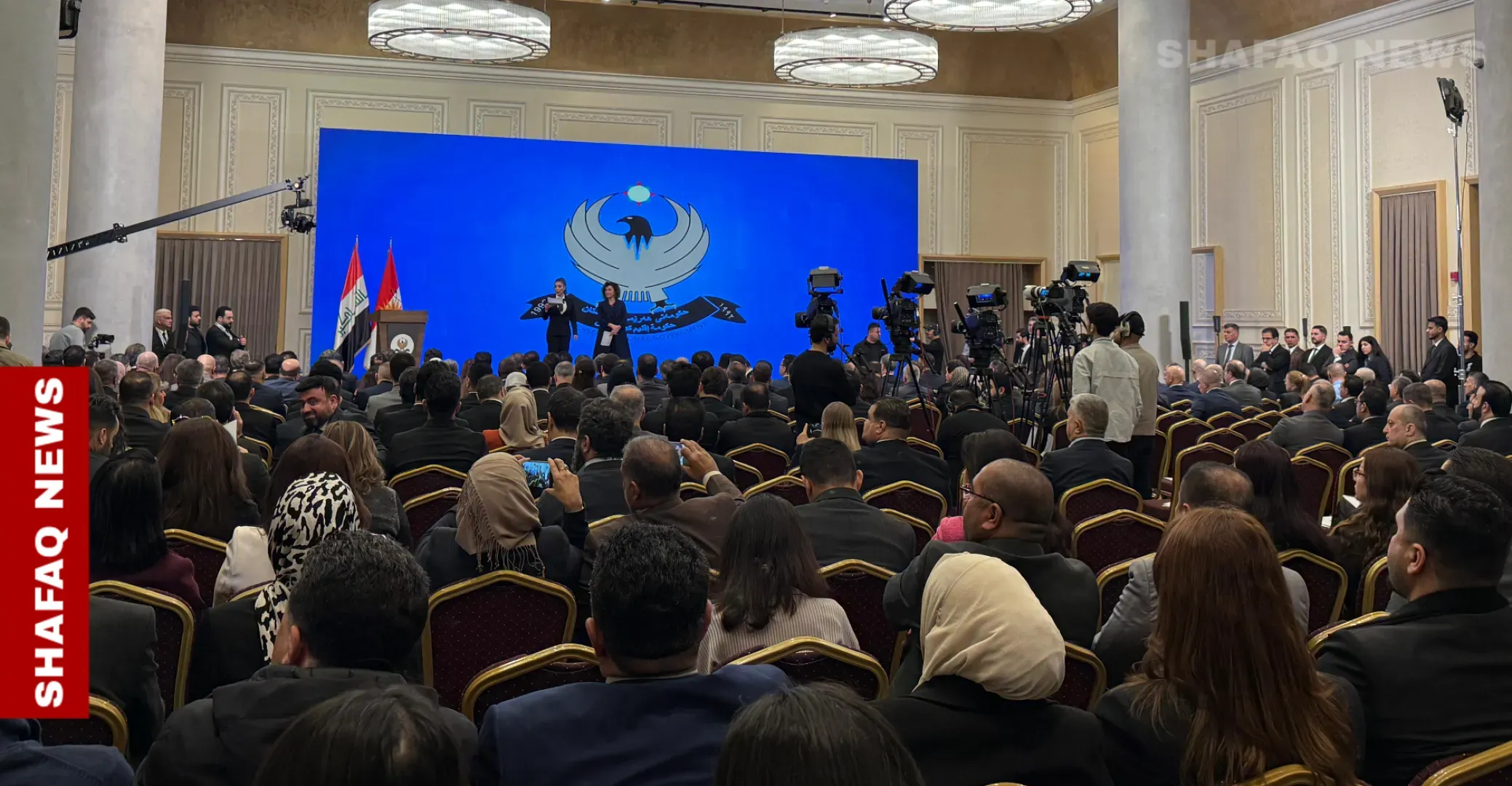
Recent data from the Kurdish Ministry of Interior indicated that 1,708 individuals convicted of trafficking and distributing drugs are currently serving sentences in correctional facilities in the Kurdistan Region, alongside 2,784 detainees awaiting trial.
Meanwhile, Ahmed Saleh, director of the Iraqi anti-narcotics, outlined the strong partnership between Baghdad and Erbil, presenting a national strategy that balances enforcement with treatment and prevention. Measures include tougher action against traffickers, expansion of specialized treatment centers, reduction of supply through intelligence operations, and lowering demand through public awareness campaigns, early detection, and community engagement.
Read more: Iraq fights back against synthetic drug flood engulfing the Middle East