Shafaq News- Erbil
Archaeologists have discovered the remains of a roof dating back approximately 7,000 years at Baneh Hilk archaeological mound in the northern Kurdistan Region, offering new evidence of ancient construction techniques.
Abdulwahab Sulaiman, director of the Soran Antiquities Directorate, told Shafaq News that a Spanish archaeological team was conducting excavations at the site alongside researchers from Saladin and the Soran Antiquities Directorate to investigate ancient architecture and daily life in the area.
The excavations also uncovered cosmetic and decorative items, including necklaces and bracelets made from bone and precious stones, along with finely fired pottery used to make personal ornaments.
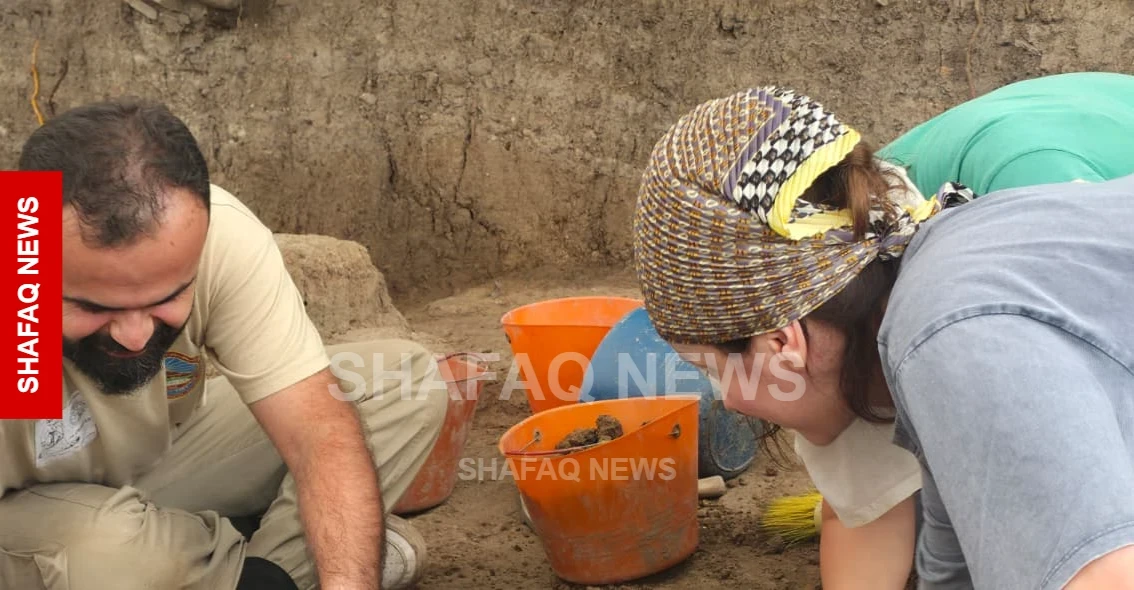
Researchers also found needles, awls, and other implements associated with spinning, weaving, and sewing, providing further insight into the crafts and daily activities of the settlement's ancient inhabitants.
Sulaiman said the most significant discovery of the latest excavation season was the roof structure, noting that previous digs had uncovered walls and floors but no clearly identifiable roofing remains.
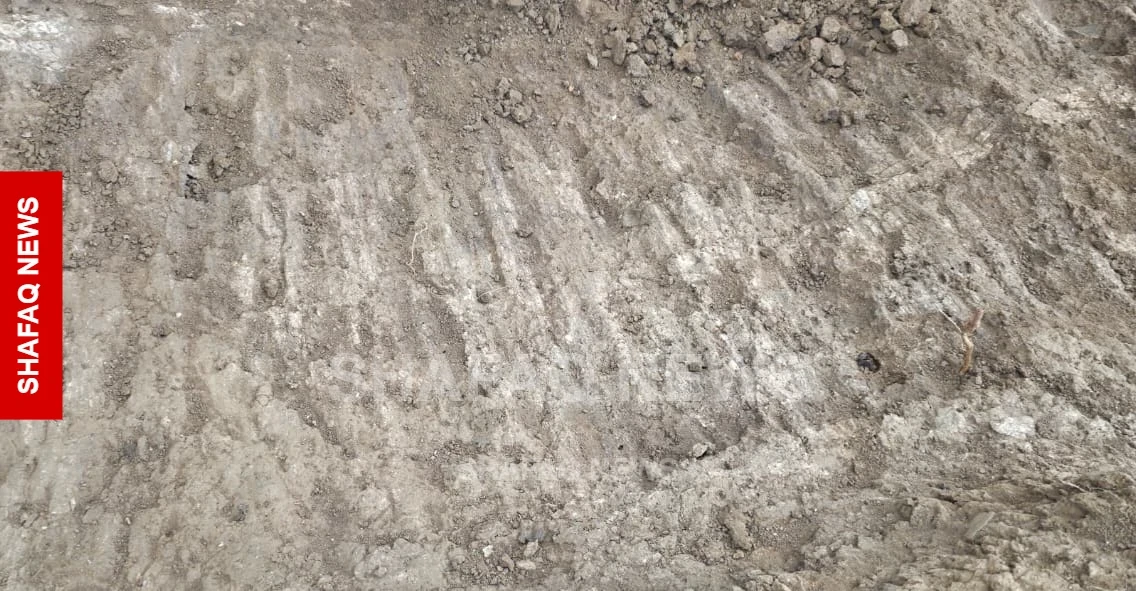
The newly discovered materials include wooden beams and clay or plaster used in the roof's construction. Archaeologists also believe reeds may have been placed between the beams.
Wood samples have been collected for analysis to identify the type of timber used, with results expected next year.