Shafaq News – Erbil / Al-Sulaymaniyah
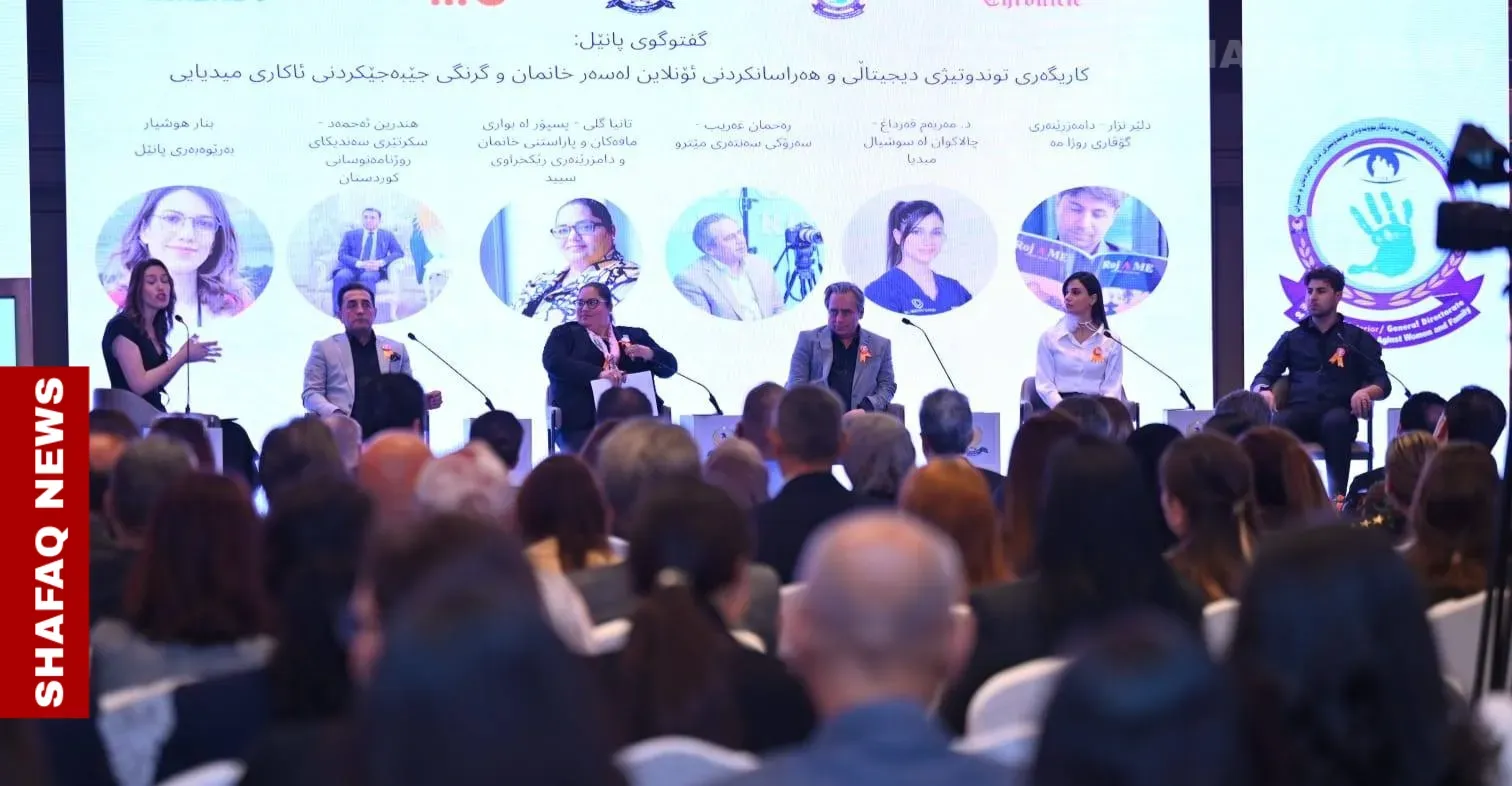
The Kurdistan Region opened its annual “16 Days of Activism Against Gender-Based Violence” on Tuesday, launching coordinated events in Erbil and Al-Sulaymaniyah—where activists placed particular emphasis on the growing threat of digital abuse targeting women.
According to a statement from Erbil Provincial Council, senior Kurdish officials and representatives of governmental and civil-society institutions attended the launch, led by the High Council for Women and Development, which includes awareness sessions, public discussions, and the presentation of official data on recorded cases of violence.
In Al-Sulaymaniyah, the opening
event carried a sharper focus on online threats. During a press conference, the
Gender-Based Violence Coordination Group began the campaign with a moment of
silence for women killed in acts of violence. Group representative Arzu Ghafour
described digital abuse as “a dangerous extension of violence against women,”
stressing that confronting it requires coordinated, long-term efforts.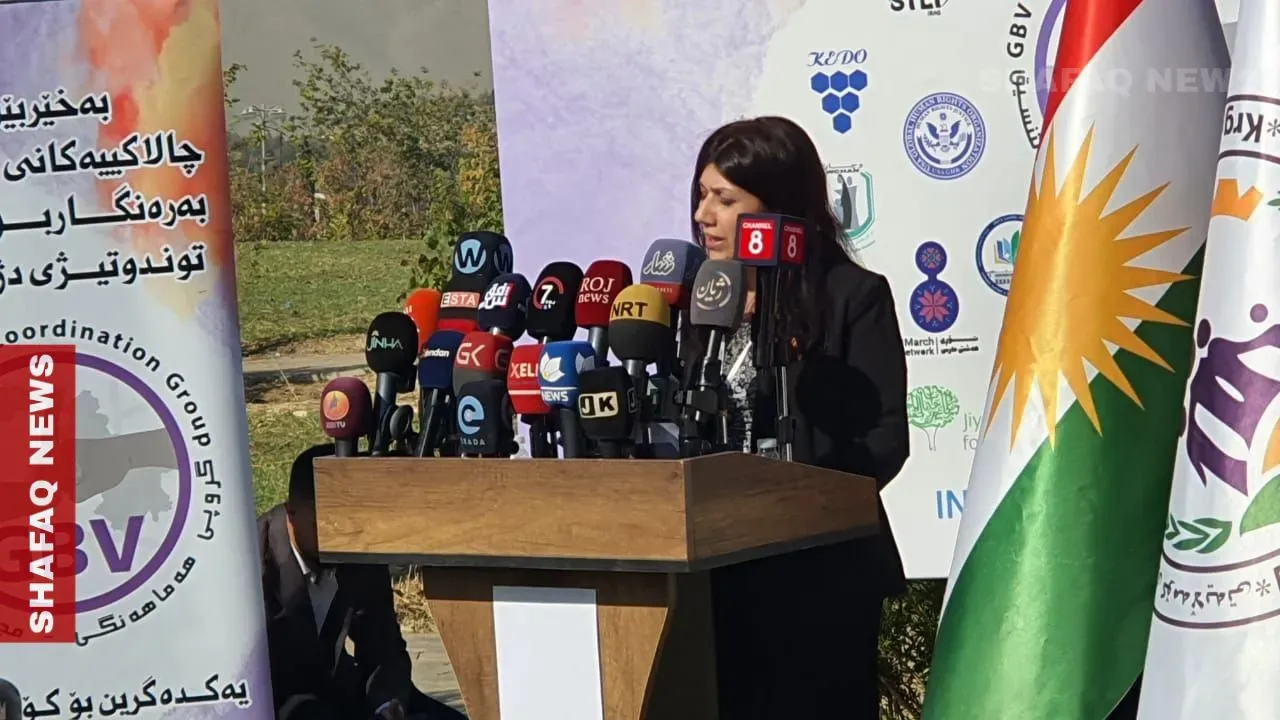
Speaking with Shafaq News, Ghafour argued that decades of political, economic, and health crises have heightened women’s vulnerability, pushing many “back into conditions reminiscent of the 1950s.” She warned that violence now extends well beyond physical and psychological harm to include online extortion and violations of privacy across widely used platforms such as Facebook, TikTok, and Instagram.
Read more: Iraqi women face surge in cyber threats with lack of digital protections
Raz Farya of the Directorate for
Combating Domestic Violence in Al-Sulaymaniyah said the department is
participating under the slogan “United to End Violence Against Women,”
highlighting ongoing cooperation with activists to support families and respond
to any woman facing abuse.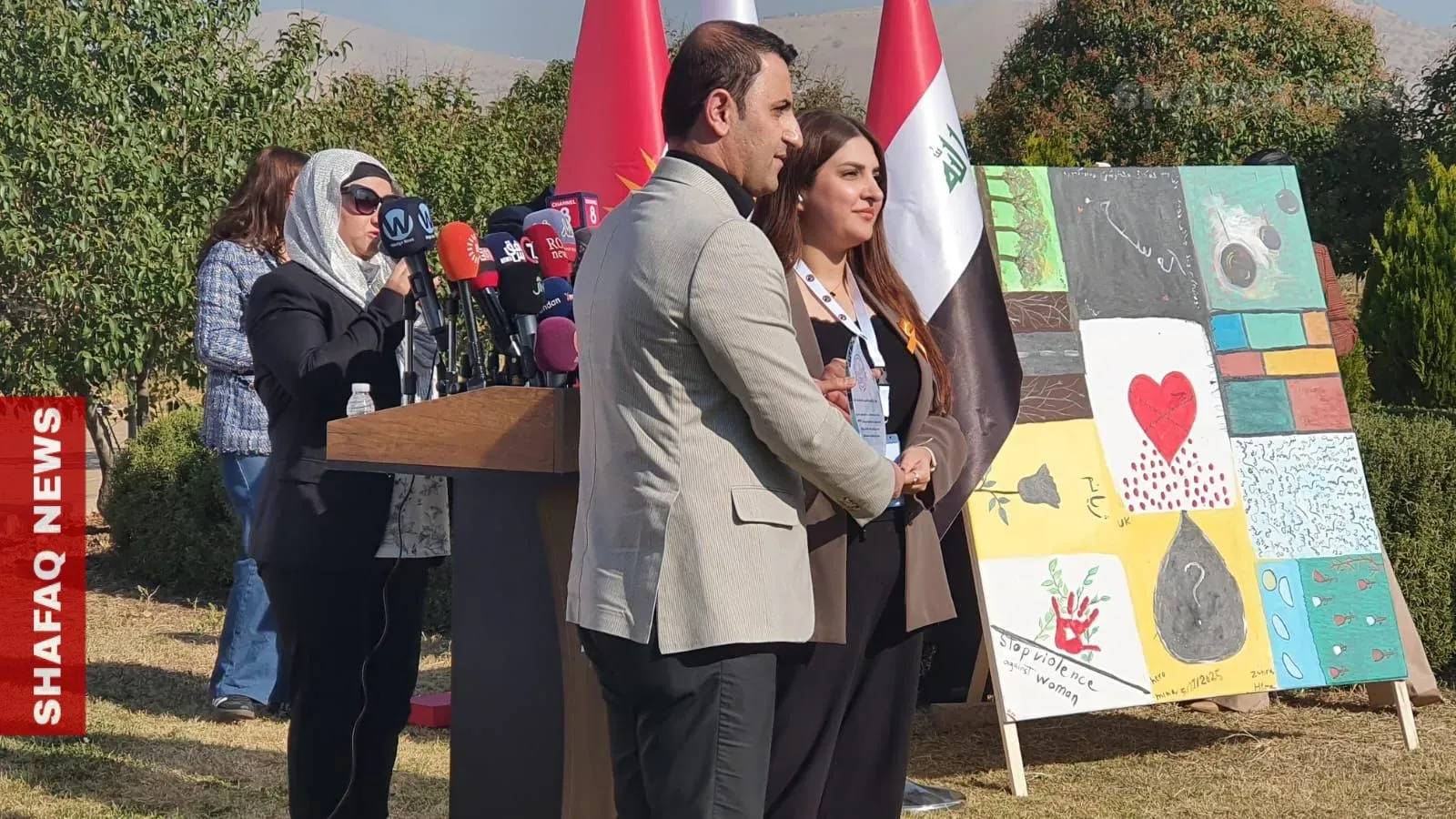
The challenges facing women in the Kurdistan Region mirror a global crisis. Nearly 840 million women worldwide have experienced intimate partner or sexual violence, according to a new World Health Organization (WHO)-led report—a figure that has seen almost no improvement in two decades.
In Kurdistan, digital abuse has become one of the most frequently reported forms of harm. The Women’s Legal Assistance Organization (WOLA) documented 226 cases in 2024, with Duhok registering the highest number at 107. Despite this, the Region’s Law No. 8 of 2011—focused on domestic violence such as forced marriage, coerced divorce, FGM, and physical abuse—does not cover digital crimes, leaving a significant protection gap for women facing online threats.
Across Iraq, the threat has deepened with the misuse of artificial intelligence. Women report being targeted with fabricated videos, cloned voices, and doctored images that spread rapidly online. The Interior Ministry’s Community Police Department logged more than 13,000 complaints of digital harassment and blackmail in 2024, many involving falsified content.
Read more: The new blackmail in Iraq: AI and the exploitation of women