Shafaq News- Baghdad
On Baghdad's Al-Rashid Street, once home to the capital's leather tanneries, only one or two workshops remain, according to Maitham Abd, who inherited the trade from his father and has worked in it since 1990.
In the Karrada district, the city's leather street still stands, but its shops face falling demand, rising prices and uneven quality, while imported goods claim a growing share of the market.
Iraq built a reputation for leather goods in the 1940s and 1950s, when winter leather jackets, known locally as "qamasil," were a symbol of elegance and wealth. As the industry spread, a dedicated leather street opened in Karrada in the 1950s, selling clothing, bags and shoes alongside mending and dyeing services. Since 2003, however, many Iraqi industries have declined or disappeared, and leather manufacturers have struggled with rising raw material costs and competition from cheaper imports.
Cheaper imports
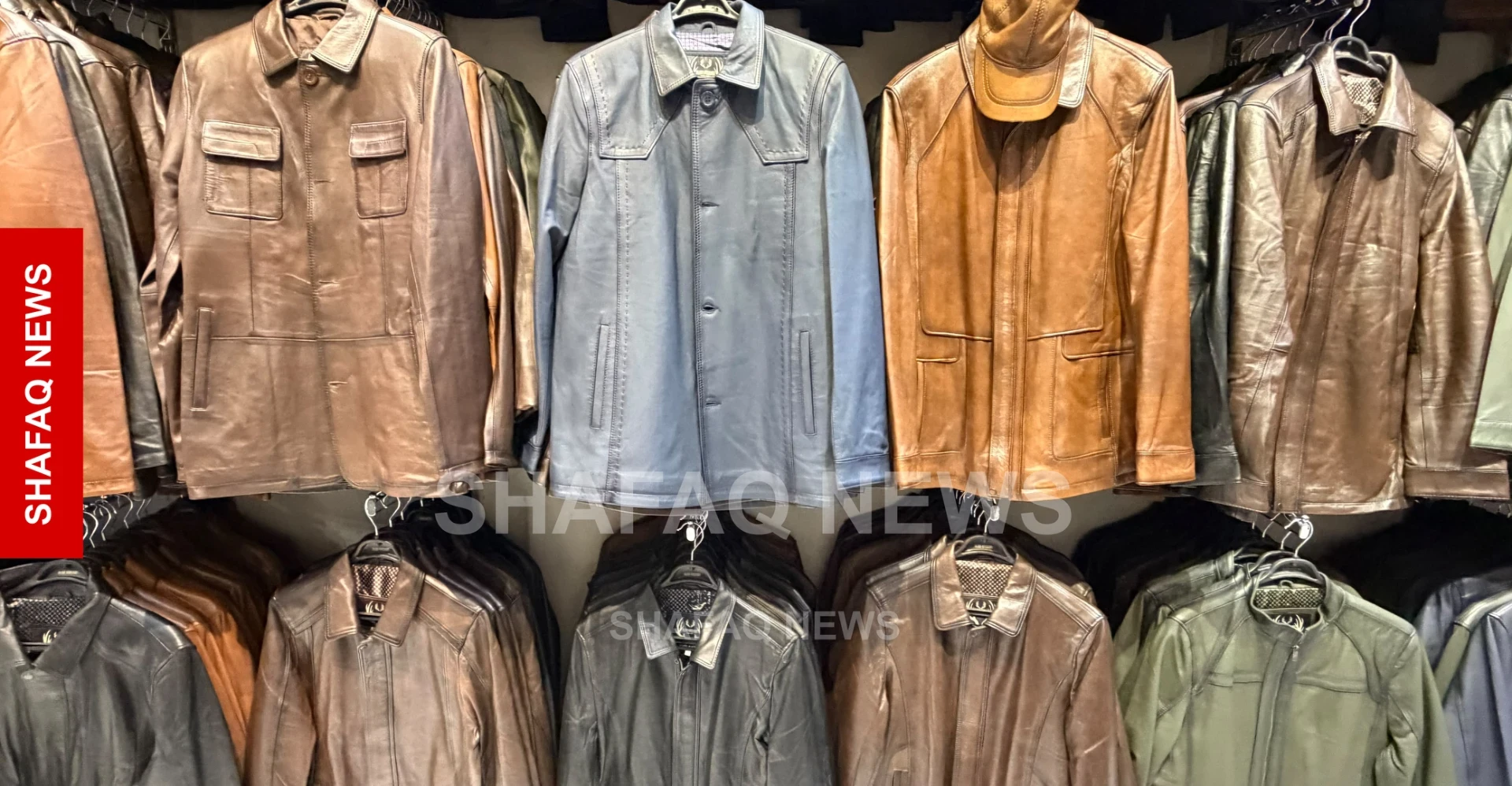
Adnan Al-Shammari has run his shop for more than 20 years, selling jackets, bags and belts. His stock includes locally made goods from the state-owned General Company for Leather Industries alongside imports from China, Turkiye and Iran.
Leather jackets sell for 150,000 to 300,000 dinars (about $99 to $197), with some pieces costing far more, Al-Shammari told Shafaq News. Over the years, he has watched demand for Iraqi products fall, as many customers prefer imported goods for their durability and lower prices. An Iraqi leather wallet costs up to 35,000 dinars (about $23), and belts start at 20,000 dinars (about $13), prices he said drive some buyers away from local goods.
Tanneries close
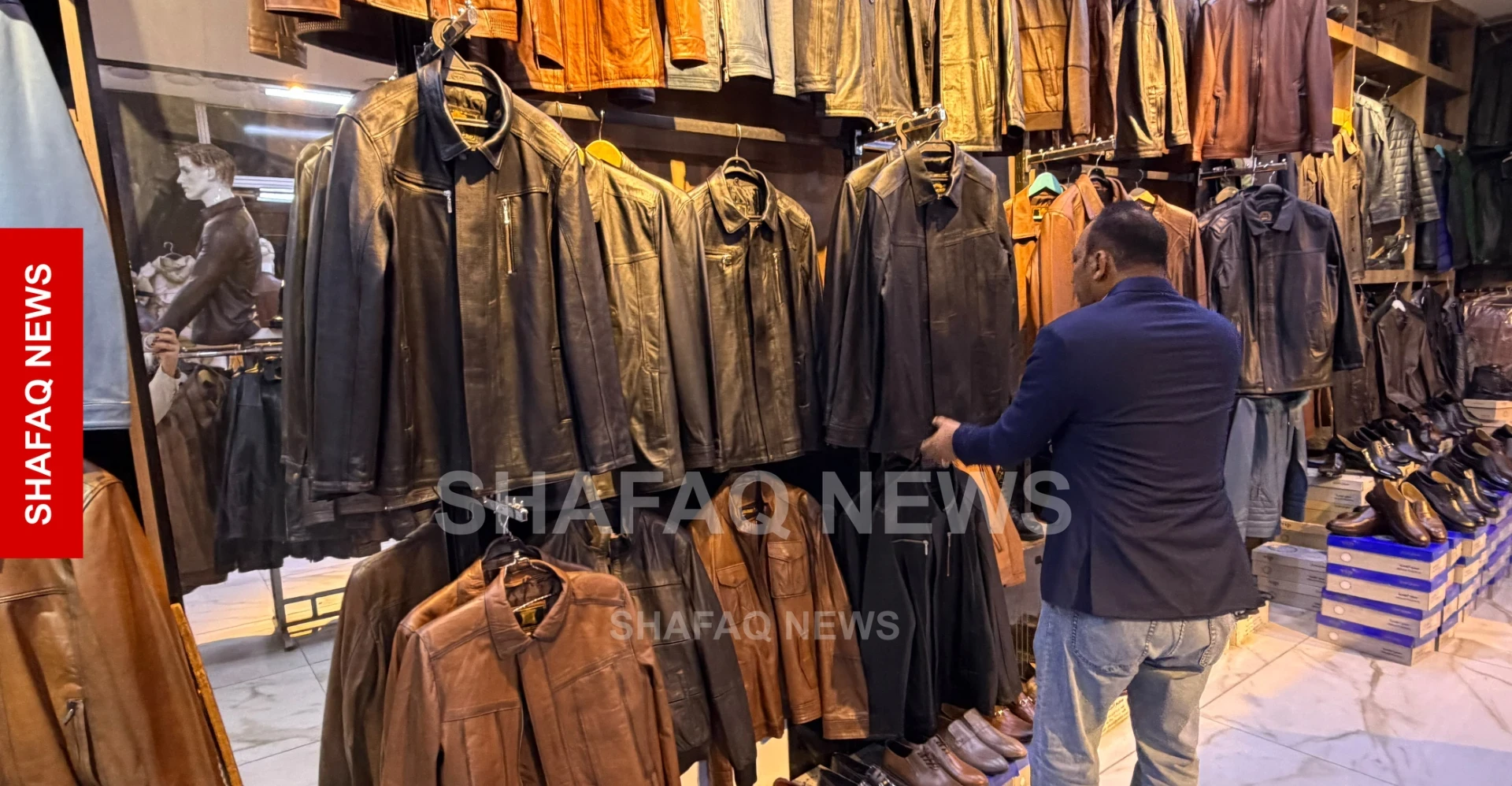
Many shopkeepers on the street inherited the trade and stayed in it despite the downturn. Tanneries were once widespread, Abd said, and during the sanctions years of the 1990s, when imports were banned, the market relied entirely on local production.
Today he estimates imports account for about 90% of leather goods sold, with local products making up 10% at most, because importing is cheaper. Leather tailoring requires skill, he added, and the training courses and vocational institutes that once taught it to men and women have disappeared in recent years. A shortage of workers forced most of the Al-Rashid Street tanneries to close.
Cow, goat and sheep hides are all used, though sheepskin now dominates, according to traders.
Durability and tailoring
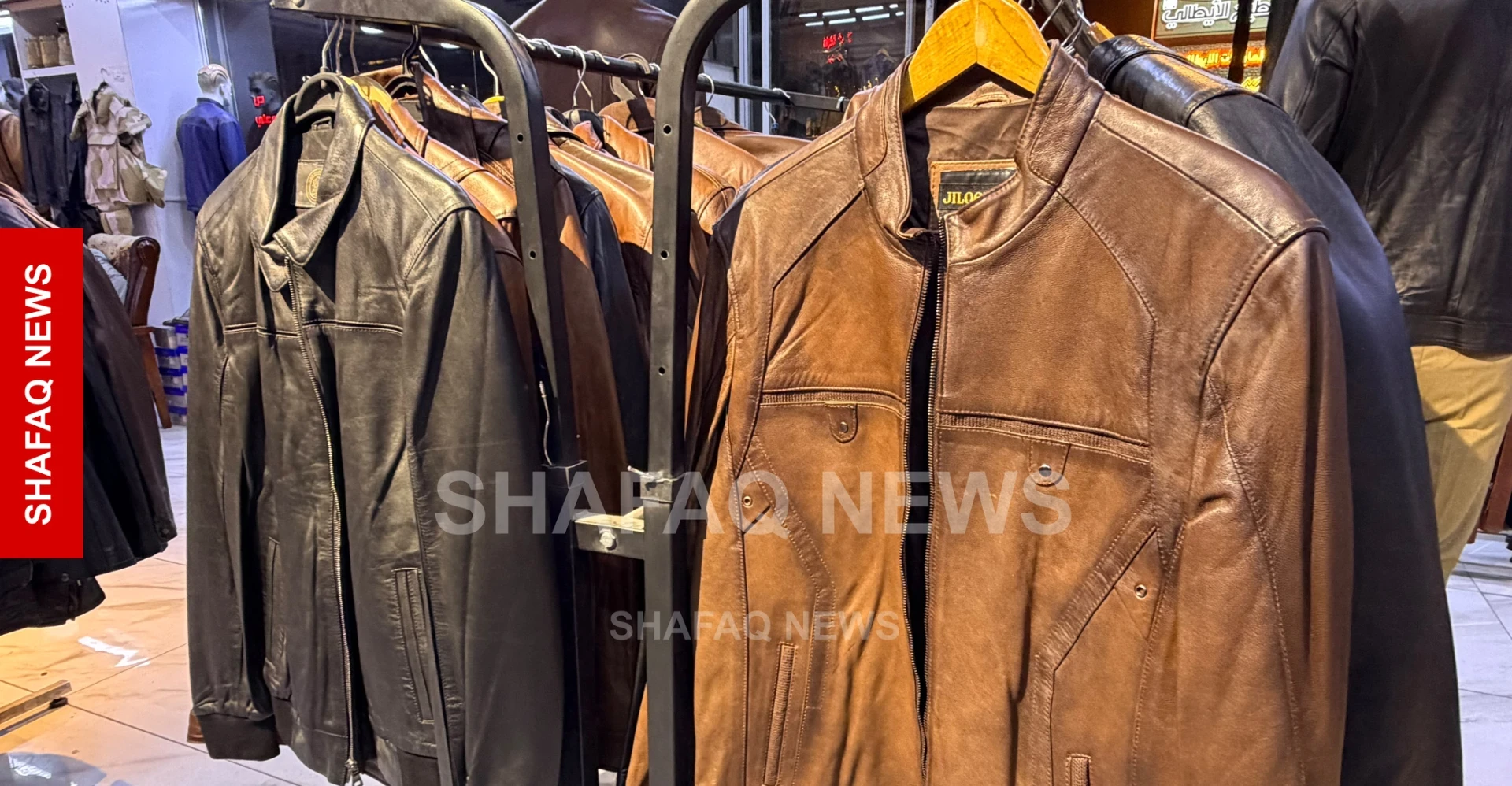
Customers still come to Karrada in search of style, durability and winter warmth. Ghaith Azhar told Shafaq News he buys there for the quality and lifespan of some products, with black and brown the most popular colors. He tells genuine leather from the synthetic version, known locally as "mushamma'," by watching whether it shrinks when exposed to flame. He has stopped buying local products, however, after finding that some were made of imitation leather but sold at high prices.
Zahraa Ali recalls products once sold in Iraq by Bata, the international footwear company whose jackets, shoes and bags were known for their quality. Iraqi leather used to be hard-wearing, she said, while goods sold today wear out faster, though genuine leather jackets and bags remain popular for their elegance and longevity.
Some members of the security forces also shop in Karrada. Yahya Al-Azzawi prefers local shops because they let customers inspect the leather, choose the design, color and size to suit their work, and have jackets tailored, altered and repaired when needed.
A price gap
Economist Muzhir Al-Dhahabi attributes the decline of Iraqi industries, including leather, to political factors and other changes, chiefly the low prices of imports and many consumers' reluctance to buy local. An imported leather jacket costs no more than 60,000 dinars (about $39) on average, he told Shafaq News, about half the price of a local one, with similar gaps across other leather goods.
Worker shortages in tanning and higher raw material costs have stalled an industry that once rivaled international products in quality, Al-Dhahabi said. Reviving local industry could save the government large sums, he added, but it would require a national decision and broad domestic and international support.
Read more: Can "Made in Iraq" rise again? Challenges and hopes for local manufacturing